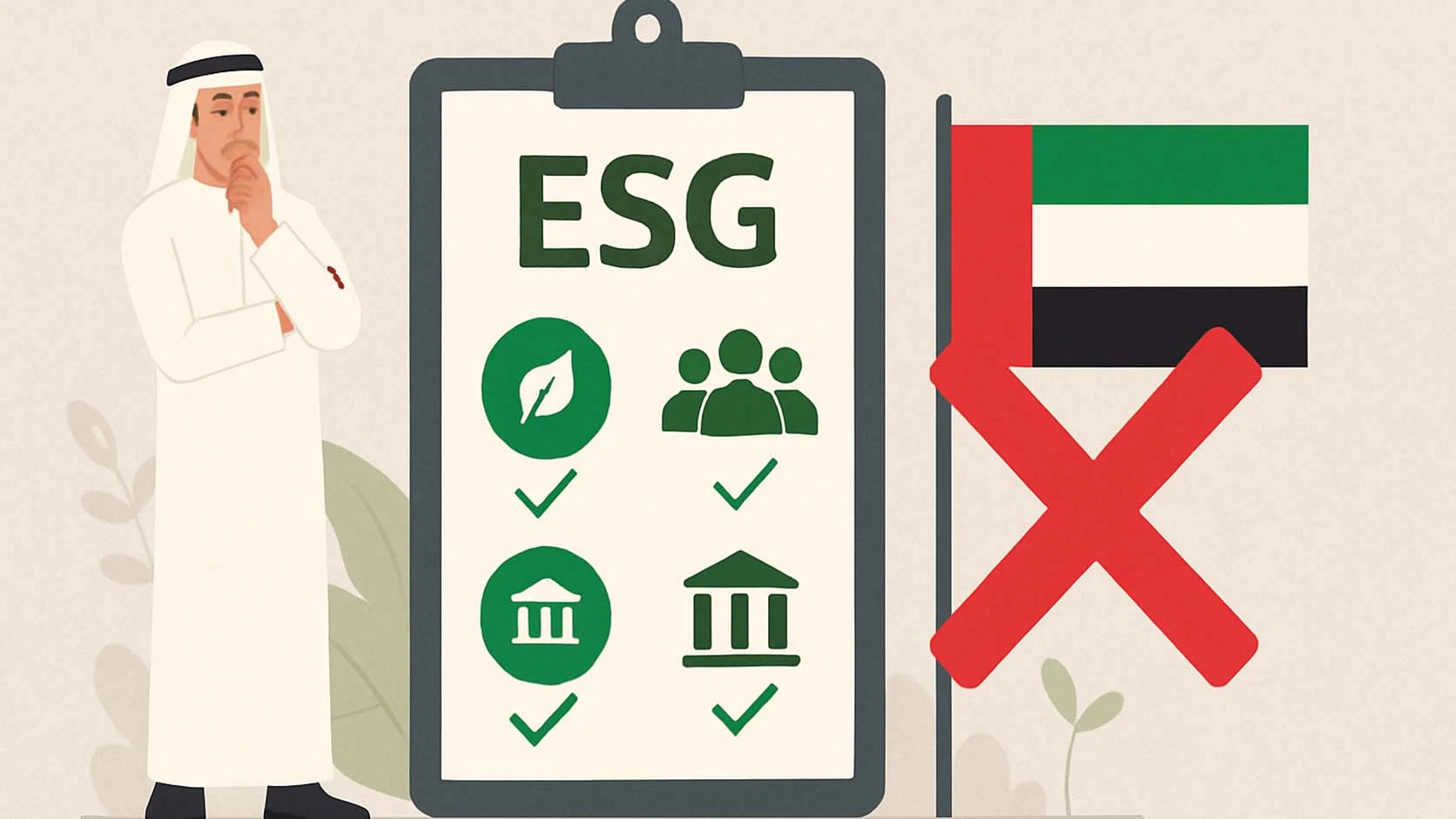
Something has shifted in how large companies in the UAE choose their suppliers. Increasingly, the decision is not just about price, quality, and delivery, it is about whether a supplier can demonstrate that it manages its environmental, social, and governance (ESG) responsibilities to an acceptable standard.
For UAE SMEs, this shift is creating a very real commercial problem; contracts being lost, supplier relationships at risk, and opportunities closed off, not because of anything wrong with the product or service, but because of a missing sustainability credential.
What is actually happening?
Global corporations operating in the UAE, in sectors from construction and logistics to manufacturing, professional services, and retail are under growing pressure from their own shareholders, regulators, and customers to demonstrate responsible supply chain management. That pressure flows directly to their suppliers.
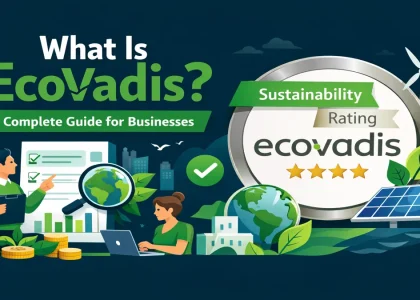
The most common way this manifests for UAE suppliers is a request to complete an EcoVadis assessment, submit a carbon footprint report, answer a sustainability questionnaire, or provide evidence of specific policies or certifications. In some cases, it is a condition of remaining on an approved supplier list. In others, it is a weighted criterion in a tender evaluation.
The threshold is rising
A few years ago, having any sustainability documentation at all was enough to satisfy most buyer requests. That threshold has moved. Today, buyers are increasingly specifying minimum EcoVadis medal levels. Silver is becoming the new baseline in many sectors. Carbon data is being requested routinely, not occasionally. And procurement teams are conducting more rigorous due diligence on supplier ESG claims.
Companies that responded to the first wave of requests with a basic policy document and a tick-box response are finding that the same approach no longer satisfies their customers. The bar has moved, and many UAE suppliers have not moved with it.
The sectors where this is most acute:
While ESG supplier requirements are spreading across industries, the pressure is currently most intense in:
- Construction and engineering, especially for suppliers to developers and contractors with international ownership or green building targets
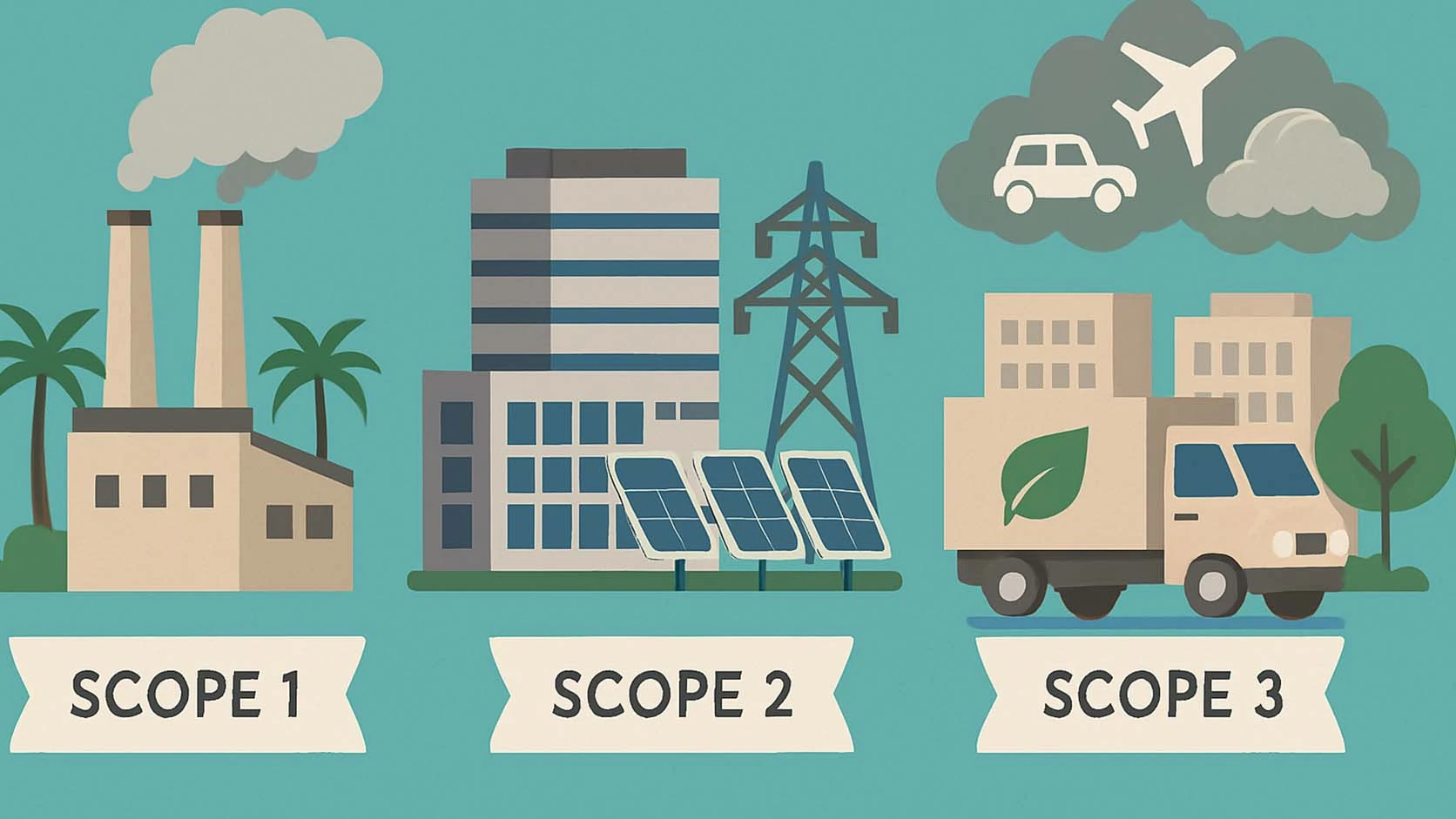
- Logistics and supply chain where large e-commerce, retail, and FMCG companies are managing their Scope 3 emissions through supplier data
- Manufacturing and industrial where buyers in Europe and North America are applying their own regulatory requirements to their UAE supply chains
- Professional services where multinationals are extending ESG due diligence to their advisory, legal, and technology suppliers
What a minimum viable ESG position looks like:
You do not need a team of sustainability professionals or a complex reporting framework to satisfy most current buyer requirements. A minimum viable ESG position for a UAE SME typically includes:
- A signed, current environmental and sustainability policy
- A health and safety policy and basic HSE records
- An anti-corruption or code of conduct policy communicated to staff
- An EcoVadis assessment, even a Bronze or Silver score demonstrates engagement
- A basic carbon footprint report covering Scopes 1 and 2
These are not the ceiling, they are the floor. But for many UAE businesses currently operating without any of these in place, building this foundation is the most urgent priority.
The opportunity
It is worth noting that while ESG requirements are creating pressure for unprepared suppliers, they are creating opportunity for those who move quickly. A UAE business with a Silver or Gold EcoVadis score, a credible carbon footprint, and clear sustainability policies stands out in a market where many competitors have neither. In competitive tender situations, that differentiation wins contracts.
The suppliers who treat ESG as a burden will fall behind. Those who treat it as a commercial investment will pull ahead.
Where to start
The most effective starting point is a gap analysis, understanding exactly what your key customers require, assessing what you currently have in place, and identifying the highest-priority actions to close the gap. This is work that does not need to take months or require significant internal resources.
Kaynat Advisory helps UAE businesses build the ESG credentials their customers are asking for, practically, efficiently, and without unnecessary complexity. Contact us at info@kaynatadvisory.com or call +971 50 907 8152 for a free initial consultation.