
The UAE has taken a significant step forward in climate governance with the introduction of Federal Decree-Law No. 11 of 2024, often referred to as the UAE Climate Change Law.
The law came into effect on 30 May 2025 and signals a shift in how climate action is managed in the country. While sustainability efforts have historically been largely voluntary for many organisations, this new law introduces a framework for greater accountability around greenhouse gas (GHG) emissions and climate mitigation.
What does the law require?
For businesses operating in the UAE, including those in mainland and free zones, the law establishes certain key expectations, particularly for organisations with high environmental impact.
These include:
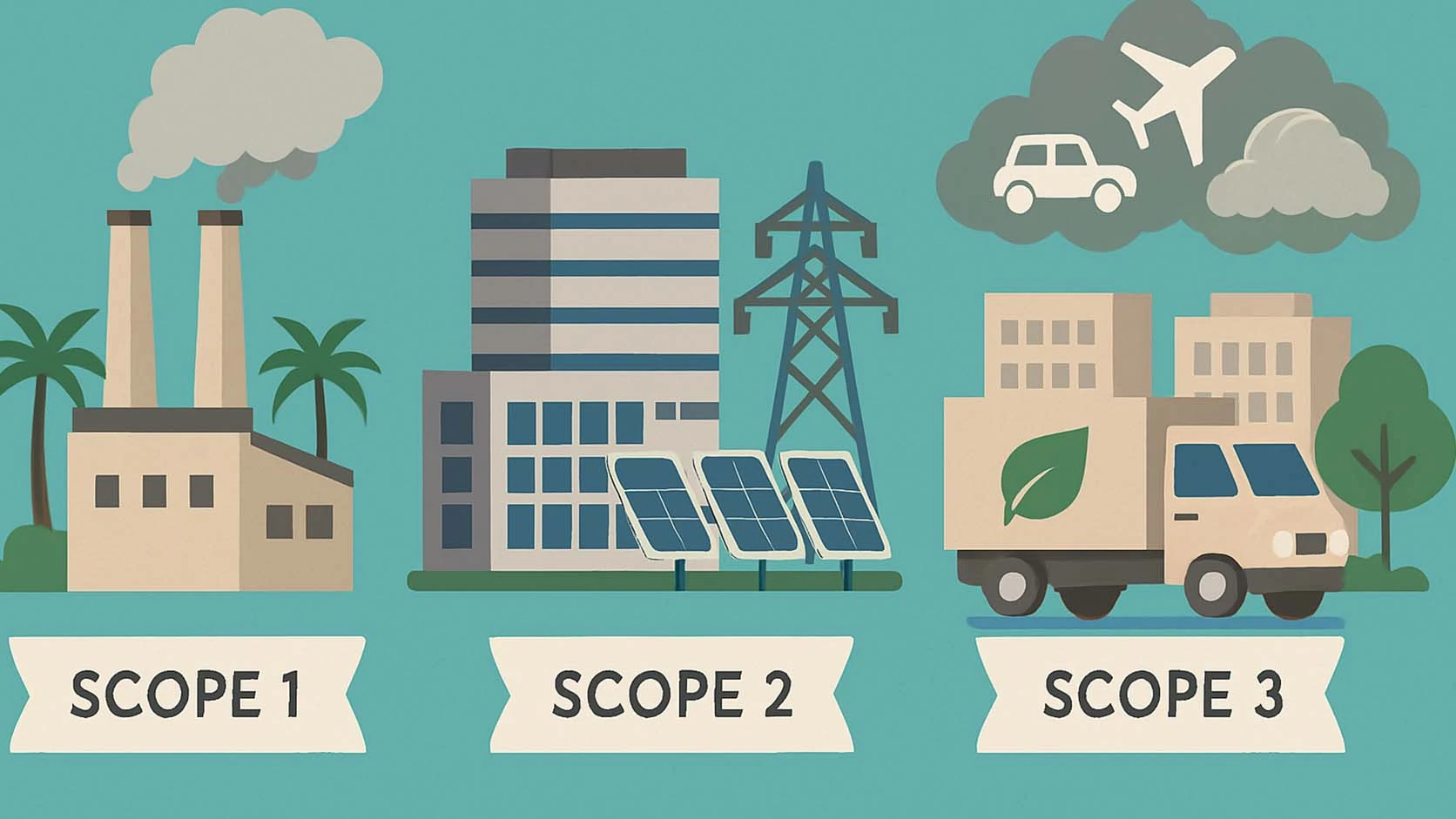
- Measurement and disclosure of greenhouse gas emissions, mainly Scope 1 and Scope 2 emissions for entities within scope
- Data management and record-keeping systems, with emissions data retained for at least five years
- Integration of emissions reduction planning into business strategies and operational decision-making
- Potential penalties for non-compliance once enforcement requirements apply
The law will not apply uniformly to all businesses immediately. Implementation will be phased, with early focus on emissions-intensive sectors.
What does this mean for SMEs?
For many small and medium-sized enterprises, the immediate impact of the law may be limited. However, the direction of travel is clear: sustainability reporting and emissions transparency are becoming an integral part of doing business.
Even companies that are not directly regulated today may soon encounter requirements through:
- supply-chain expectations
- procurement processes
- investor and stakeholder demands
Preparing early
For most organisations, preparation does not begin with complex reporting frameworks. Instead, it starts with building internal systems to collect and manage operational data, such as:
- energy consumption
- fuel usage
- operational emissions sources
Establishing these systems early can significantly simplify future compliance and improve transparency with clients and partners.
As regulatory clarity continues to develop over the coming years, organisations that begin preparing now will be better positioned to respond confidently to evolving sustainability requirements.